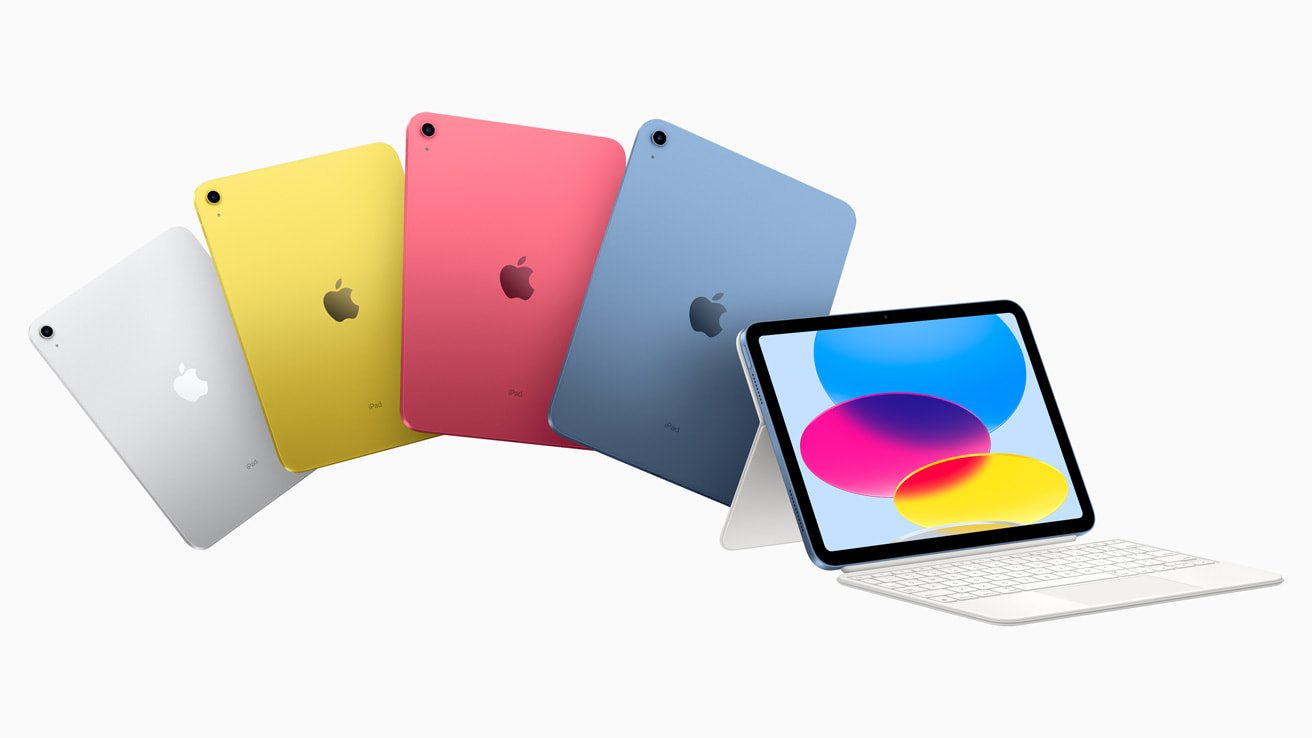
Apple’s upcoming iPad roadmap includes an OLED iPad Mini expected in late 2026, followed by major refreshes for the base iPad and iPad Pro models in early 2027. Following the company’s hardware cycle, which features devices like the M5 iPad Pro and M4 iPad Air, Apple is turning its focus toward display technology upgrades and next-generation processing power.
Late 2026: OLED iPad Mini
The most immediate update on the horizon points to a new small-form-factor tablet.
- OLED Upgrade: Display industry reports indicate an upcoming iPad Mini will introduce an 8.4-inch OLED display to replace the traditional LCD panel.
- Potential Limits: Current supply chain roadmaps indicate this particular panel variant may remain limited to a standard 60Hz refresh rate.
- Aesthetic Adjustments: Rumors also point to structural design adjustments that could alter its overall price bracket compared to the current $499 A17 Pro version.
Early 2027: Base iPad (12th Generation)
Budget-focused buyers will need to wait a bit longer for the entry-level update.
- Delayed Timeline: While initially anticipated sooner, prominent leaks suggest the 12th-generation base iPad has been delayed to early 2027, pointing to a likely March release window.
- Performance Architecture: The upgrade will focus heavily on computing power, incorporating an A18 or A19 chip coupled with a necessary bump to 8 GB of RAM. This configuration is specifically planned to introduce full Apple Intelligence support to the entry-level lineup.
- Familiar Aesthetics: Don’t expect a radical visual overhaul; the new base version is expected to stick to the familiar 11-inch edge-to-edge design featuring a Touch ID side button and thick bezels.
Spring 2027: Upgraded iPad Pro Lineup
Apple is also preparing a refreshed premium tier for the 20th anniversary year of the original iPhone.
- Internal Overhaul: The spring 2027 iPad Pro line will maintain the established 11-inch and 13-inch display dimensions but focus intensely on structural and internal capabilities.
- Thermal Improvements: To support faster, next-generation silicon, Apple has tested a advanced vapor chamber cooling system. This hardware integration aims to dramatically improve sustained computing performance and reduce overheating under professional workloads.