The future of online marketing is defined by a shift from broad execution to AI-driven strategic depth, privacy-centric personalization, and immersive consumer experiences. As marketing budgets face tightening pressures, brands are transitioning away from traditional surface-level advertising toward highly precise, intent-driven digital strategies.
1. AI Integration and “Answer-First” Content
Artificial intelligence has evolved from a basic automation tool into the foundational layer of modern marketing strategy.
- Optimizing for AI Search Assistants: Discovery is increasingly controlled by AI assistants. Marketers are shifting toward “answer-first” content—providing direct, structured answers to capture consumer intent during zero-click search journeys.
- Scalable AI-Native Creative: Small marketing teams are scaling up content volume by up to tenfold. They leverage AI-native tools alongside strict style templates and asset libraries to maintain brand consistency.
- Hyper-Personalization: Real-time lifecycle orchestration allows consumer journeys to dynamically adapt based on immediate behavior and context. Platforms like Netflix and Amazon exemplify this by utilizing machine learning to curate hyper-targeted content and product recommendations.
2. Privacy Regulations and First-Party Data
With the decline of traditional third-party tracking cookies and the rise of strict regulations like GDPR, data collection models have fundamentally changed.
- Consent-Based Value Exchanges: Marketers now rely on first-party and zero-party data. To acquire this, brands utilize interactive, consent-backed value exchanges (such as exclusive insights or tailored utilities) to collect data that feels helpful rather than intrusive.
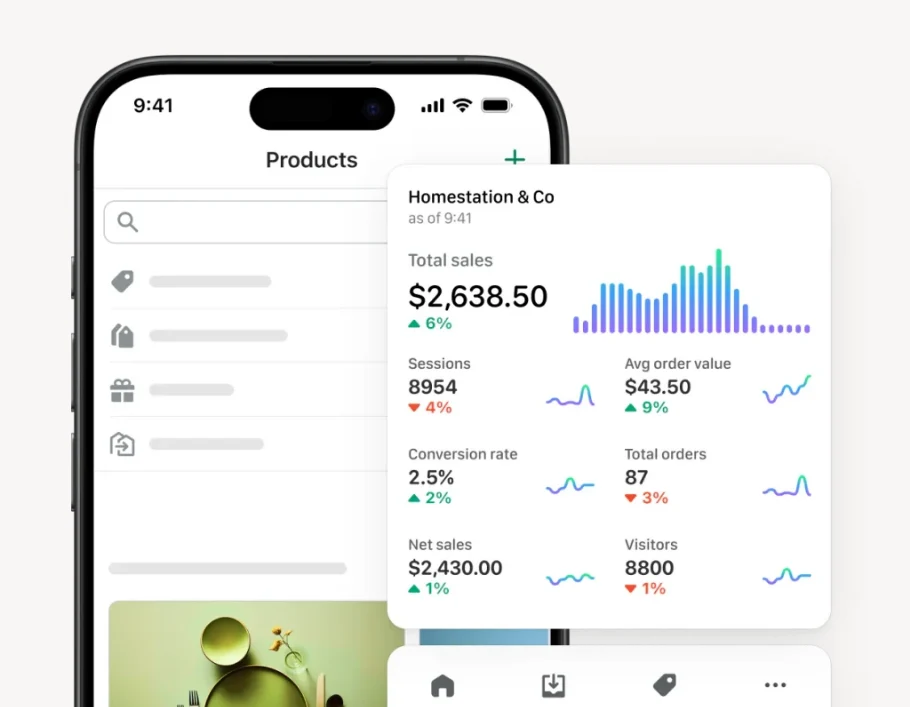
- Advanced Attribution: Proving definitive pipeline contribution and financial ROI has become critical. Marketing analytics are shifting toward media mix modeling and incrementality testing to ensure budget transparency for corporate boards.
3. Immersive Channels and Social Commerce
Marketing is bridging the gap between digital and physical spaces to capture attention across non-traditional channels.
- CTV and Programmatic DOOH: Connected TV (CTV) and Digital Out-of-Home (DOOH) advertising have evolved into high-performing conversion channels. Features like shoppable, dynamic creatives allow brands to track precise action-based performance from digital billboards and streaming services.
- Social Commerce and Micro-Media: Social media networks are fully operating as comprehensive e-commerce ecosystems. The intersection of search and social media has birthed “answer shoppable micro-media,” which converts short-form videos, carousels, and interactive stories into direct digital storefronts.
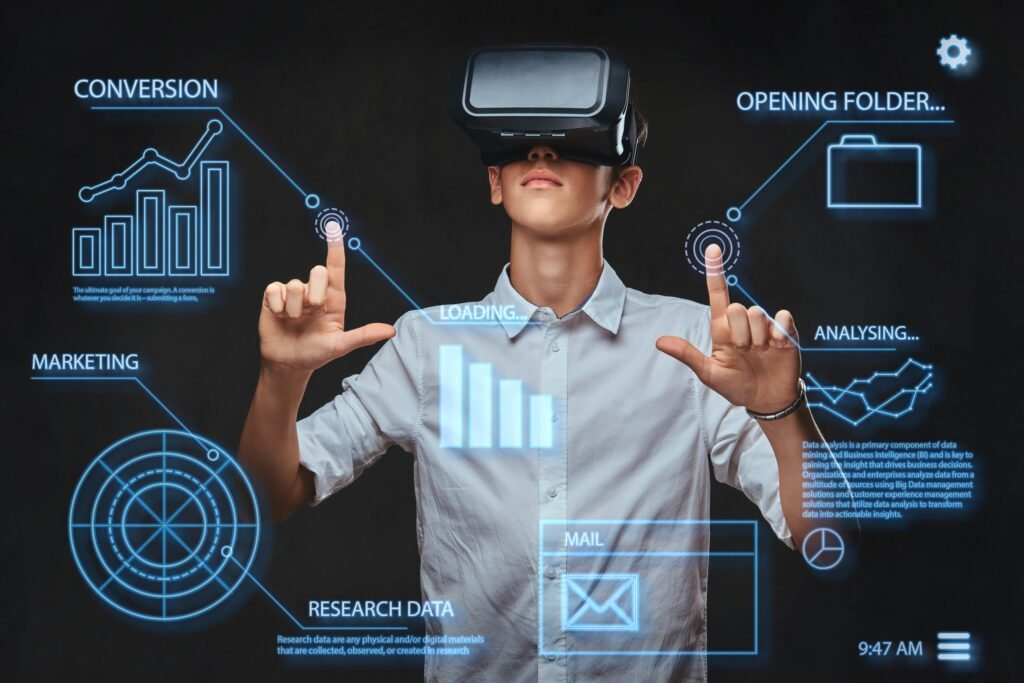
- AR and VR Interaction: Immersive technologies like augmented reality (AR) are widely used to allow consumers to interact with products virtually, such as testing furniture layouts or clothing before completing a purchase.
4. The Human Element: Identity and Community
As AI lowers the barrier to content creation, digital environments are increasingly saturated with generic messaging. Trust and true originality have become premium differentiators.
- Identity Marketing: Successful brands are moving past surface-level feature and price callouts. Instead, they focus on identity marketing—encouraging consumers to align with a specific community or aspiration, which fosters long-term brand equity.
- Niche Communities: Consumer fatigue with traditional paid ad noise is steering audiences toward private, community-driven hubs (such as Circle threads or specialized networks). Marketers are shifting budgets toward collaborating with thought leaders and hyper-local community influencers within these spaces.